Category markets

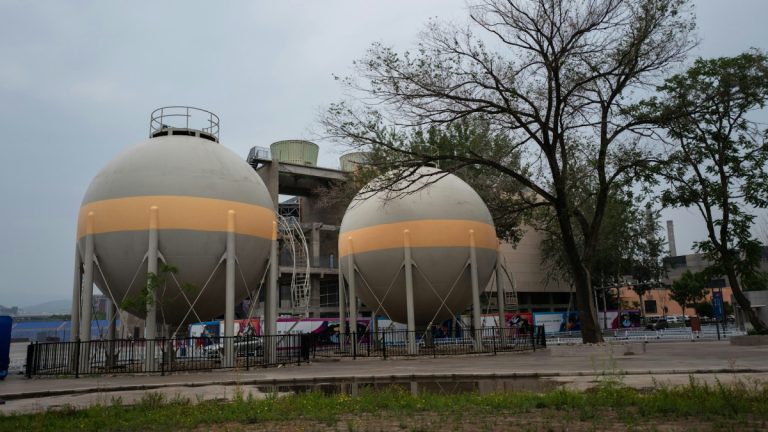
Hormuz Crisis Leaves EU Gas Storage Short Heading Into Winter

Europe is facing a severe energy crunch heading into the winter months as escalating tensions in the Strait of Hormuz disrupt vital liquefied natural gas shipments. The geopolitical crisis has severely hindered crucial supply routes from the Middle East, leaving regional gas storage facilities critically underfilled. Consequently, European nations are scrambling to secure alternative energy sources and implement emergency conservation measures to prevent widespread shortages. Markets have reacted swiftly to the supply squeeze, driving up wholesale prices and raising fresh concerns about industrial output and household heating costs. With the cold season fast approaching, policymakers are under intense pressure to stabilize the bloc's vulnerable energy grid.


Australia Close to Finalizing Gas Reservation Plan for LNG Exporters

Australia is nearing the finalization of a crucial gas reservation policy aimed at securing domestic energy supplies and stabilizing soaring local prices. The proposed mechanism would compel major liquefied natural gas (LNG) exporters to redirect a portion of their production to the domestic market if local shortages loom. This strategic move comes amid mounting pressure from manufacturers and households grappling with cost-of-living crises driven by global energy market volatility. While policymakers work to balance local energy security with Australia's status as a dominant global LNG supplier, the impending decision has sparked intense debate among industry stakeholders regarding its potential impact on future foreign investment.

Venture Global Loses LNG Arbitration to Portugal's Galp

Venture Global LNG has lost a significant international arbitration case against Portuguese energy company Galp. The dispute centered on Venture Global's failure to supply contracted liquefied natural gas cargoes from its Calcasieu Pass facility in Louisiana, instead selling supplies on the more lucrative spot market. Galp initiated the legal action after missing out on expected shipments while the facility experienced prolonged commercial delays. This ruling marks another legal setback for the American exporter, which faces similar grievances from several other major European and Asian energy buyers over delayed long-term supply contracts.

SpaceX takes aim at US wireless carriers with spectrum acquisition

SpaceX has significantly escalated its competitive threat to traditional US wireless carriers by moving to acquire crucial mobile spectrum. Through a strategic buyout of spectrum licenses from EchoStar's Dish Network, the aerospace giant is positioning itself to expand its satellite-to-cellular capabilities. This bold maneuver aims to bypass terrestrial cell towers entirely, promising seamless, dead-zone-free connectivity directly to everyday smartphones from space. By leveraging its growing Starlink constellation, SpaceX is laying the groundwork to challenge established telecom titans on their home turf.

Meta bans TikTok ads on its platforms in US

Meta has officially banned TikTok from running advertisements across its popular platforms, including Facebook and Instagram, within the United States. This aggressive move comes as geopolitical tensions and national security concerns surrounding the Chinese-owned short-form video app continue to escalate. By cutting off a major avenue for user acquisition, Meta is significantly increasing the pressure on its chief competitor in the fiercely contested social media market. The ban underscores the intense rivalry and regulatory scrutiny facing foreign-owned tech companies operating in the American digital landscape.

Japan reboots DOGE-style spending review in hunt for funds for Takaichi pledges

To fund ambitious policy pledges proposed by economic security minister Sanae Takaichi, Japan is launching a US-style spending review aimed at rooting out government waste and inefficiencies. Prime Minister Shigeru Ishiba’s administration is reviving the DOGE-inspired initiative to meticulously scrutinize existing public budgets and redirect funds toward critical growth sectors. This aggressive fiscal overhaul seeks to finance strategic investments without dangerously exacerbating the nation's already massive public debt. By adopting this rigorous cost-cutting approach, Tokyo hopes to balance aggressive economic stimulus with much-needed fiscal responsibility.

Nvidia-backed Firmus scraps $5 billion Australian IPO on poor demand

Firmus, an Australian cloud computing company backed by semiconductor giant Nvidia, has officially canceled its planned $5 billion initial public offering on the Australian Securities Exchange. The decision comes after weak institutional demand and unfavorable market conditions derailed the high-profile listing. Firmus had hoped to capitalize on the booming global demand for artificial intelligence infrastructure to fund its ambitious data center expansion plans. However, potential investors grew increasingly cautious over valuation concerns and broader economic uncertainties. This setback highlights growing friction between ambitious tech valuations and current investor appetite in the regional market.

Euro skids toward fifth weekly fall but selling pressure slows

The euro is hovering near recent lows, heading toward its fifth consecutive weekly decline against major currencies. While the persistent downward trend highlights ongoing economic concerns within the eurozone, recent trading sessions indicate that the intense selling pressure is finally beginning to ease. Market analysts attribute this temporary stabilization to cautious investor behavior ahead of upcoming economic data releases. Despite the slowdown in losses, the single currency remains under considerable pressure as persistent structural and monetary policy challenges continue to weigh on market sentiment.