Category markets

Sunrun CFO Danny Abajian sells $129,931 in shares

Sunrun Chief Financial Officer Danny Abajian recently executed a routine stock transaction, selling $129,931 worth of company shares. While insider sales are often closely monitored by investors for insights into executive sentiment, routine divestments for tax or personal financial planning are common occurrences among corporate leaders. Sunrun, a leading residential solar panel and home battery supplier, continues to navigate a dynamic renewable energy market shaped by shifting regulatory landscapes and fluctuating consumer demand. Despite this executive share sale, the company remains a dominant player in the American clean energy sector as it strives to expand its customer base and achieve long-term profitability.

Isaias kills four, about 670,000 without power after landfall

Hurricane Isaias made a destructive landfall, leaving at least four people dead and plunging approximately 670,000 residents into darkness due to widespread power outages. The powerful storm battered coastal regions with torrential rainfall, damaging winds, and dangerous storm surges. Emergency crews and utility workers are actively mobilizing to assess the widespread damage, clear blocked roadways, and restore electricity to affected communities. Residents in the impacted zones are urged to remain cautious as authorities continue recovery and relief operations.

Global trust in science falls below pre-pandemic levels, survey finds

Global trust in science has dropped significantly, falling below pre-pandemic levels according to a recent international survey. While public confidence initially surged during the COVID-19 health crisis due to rapid vaccine developments, it has since eroded amid persistent misinformation, political polarization, and shifting public expectations. Experts warn this decline poses a serious threat to society's ability to address major future challenges, including climate change and emerging public health crises. Rebuilding this crucial relationship will require enhanced transparency from researchers and more effective science communication to bridge the growing gap between scientific institutions and the public.

Tanker Rates Soar to Record as Oil Crisis Becomes Shipping Crisis

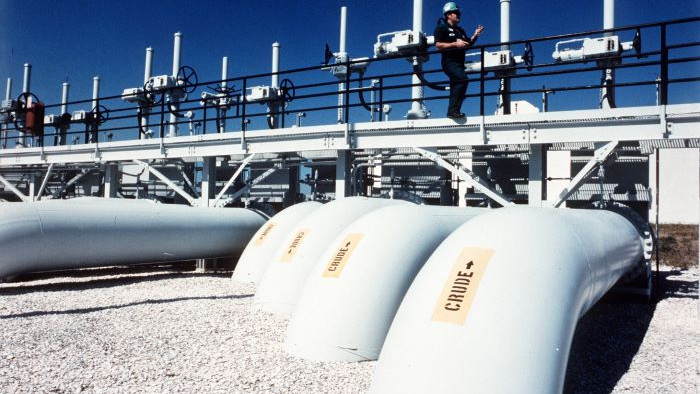
Global oil tanker shipping rates have surged to unprecedented levels, transforming a severe geopolitical oil crisis into a catastrophic bottleneck for international maritime trade. As economic sanctions, shifting trade routes, and escalating conflicts restrict the availability of vessels, the cost of transporting crude oil has skyrocketed dramatically. This sudden crunch is placing immense financial strain on refiners and energy companies worldwide while delivering windfall profits to shipowners. Consequently, consumers face the looming threat of even higher energy prices as the logistics of moving petroleum become increasingly constrained.

Emergency Oil Releases Risk Draining the World’s Last Supply Cushion

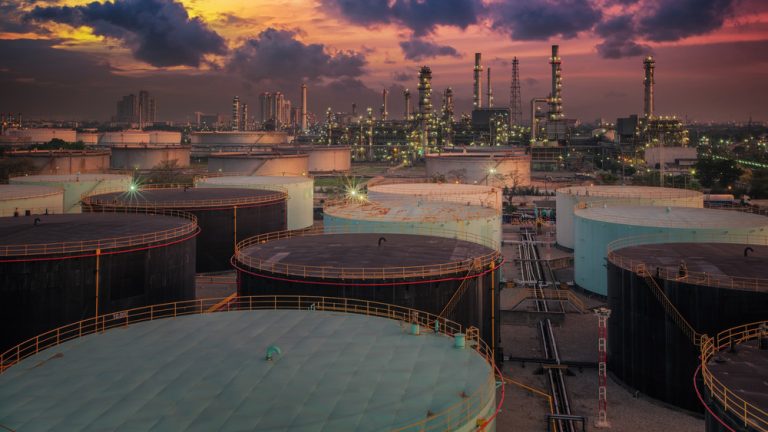
The world faces a precarious energy future as repeated emergency releases by governments threaten to deplete the remaining global oil supply cushion. Over recent years, major economies have increasingly relied on strategic petroleum reserves to stabilize volatile markets and offset supply disruptions caused by geopolitical conflicts. However, this heavy reliance has left emergency stockpiles at dangerously low levels, significantly reducing the international community's ability to respond to future crises. Without these vital buffers, the global energy market becomes exceptionally vulnerable to sudden shocks, potentially triggering severe price spikes and widespread economic instability. Experts warn that rebuilding these depleted reserves will prove difficult, leaving nations exposed until sustainable alternative energy sources and stable supply chains can be established.

Pemex Needs Nearly $110 Billion to Hit Mexico's Output Targets

Mexico’s state-owned oil company, Pemex, faces a staggering financial hurdle as it attempts to meet the ambitious crude production goals set by the federal government. Industry estimates indicate the heavily indebted energy giant requires nearly $110 billion in capital investments to revamp its aging infrastructure and boost output. Despite its massive resource potential, Pemex continues to struggle with severe financial constraints, heavy debt obligations, and operational inefficiencies that threaten its long-term viability. Without substantial external funding or major strategic overhauls, achieving the nation's targeted production levels remains a highly improbable feat.

Southeast Asia Needs More Power, But Its Weak Grid Could Be a Problem

As Southeast Asia experiences rapid economic growth and soaring populations, its demand for electricity is skyrocketing to unprecedented levels. However, the region's outdated and fragmented power grids threaten to derail this momentum and stall the transition toward renewable energy sources. Without substantial investments in modernizing transmission infrastructure, countries will struggle to distribute clean energy efficiently and prevent widespread blackouts. Bridging this critical infrastructure gap is essential for unlocking the region's vast green potential and ensuring long-term economic stability.

Why Record Crude Output Can’t Solve America’s Diesel Crisis

Despite the United States pumping record amounts of crude oil, American consumers and industries continue to face a severe and persistent diesel crisis. The root of the problem lies not in a lack of raw petroleum, but in a severe bottleneck within the nation's refining sector, which has seen capacity steadily decline in recent years. Compounding this supply constraint is robust domestic demand and high global exports, draining inventories to alarming lows. Consequently, record crude production fails to translate into the refined diesel fuel desperately needed to power trucks, trains, and farm equipment, keeping prices stubbornly high across the economy.

Lockheed Martin unveils PAC-3 Edge interceptor designed to counter hypersonic threats

Lockheed Martin has unveiled the PAC-3 Edge, an advanced missile interceptor specifically engineered to counter increasingly sophisticated hypersonic threats on the modern battlefield. Building upon the proven architecture of the Patriot Advanced Capability-3 system, this new iteration promises significantly enhanced processing power, tracking capabilities, and reaction speeds. The development comes as global defense forces race to neutralize high-speed maneuvering weapons that currently challenge traditional missile defense grids. By upgrading both software and hardware components, the PAC-3 Edge aims to provide warfighters with a vital, future-proof shield against emerging supersonic and hypersonic adversaries.