Category AI

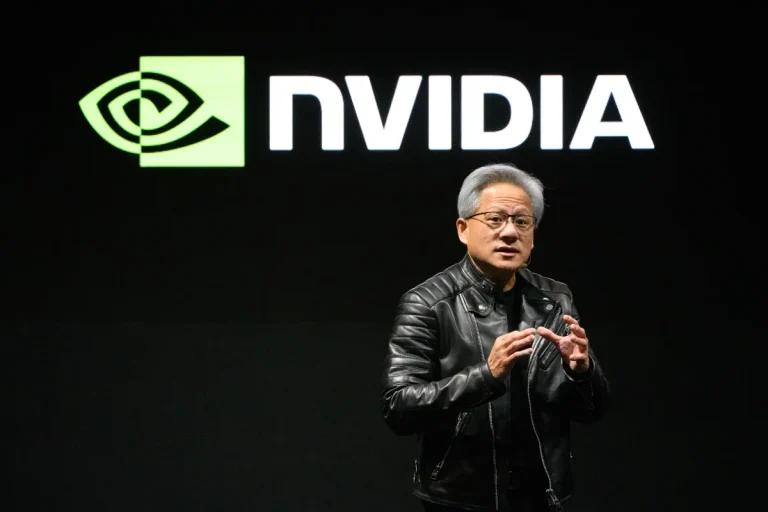
Nvidia launches new open models to run agents in the enterprise and on PCs 

Nvidia has expanded its artificial intelligence portfolio by launching a new family of open-weights models designed to power autonomous agents for both enterprise servers and personal computers. Known as Nvidia NeMo and Cosmos, these cutting-edge models aim to streamline complex workflows, boost productivity, and improve local processing speeds without heavy reliance on cloud infrastructure. By providing developers and businesses with greater flexibility and customization options, Nvidia is positioning itself at the forefront of the rapidly growing agentic AI market. This strategic release empowers organizations to deploy smarter, more responsive automation tools directly into their everyday operating environments.

😺 DeepSeek's free model edged Opus 5 at coding

Welcome, humans. So apparently Disney is shopping for AI talent in the Character.AI bankruptcy bargain bin. Character.AI is the chatbot startup that filed for bankruptcy last week. According to a legal filing, Disney agreed to offer jobs to at least…

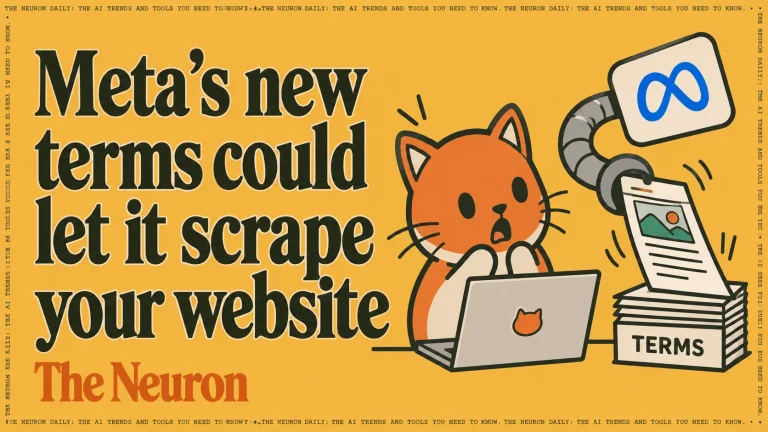
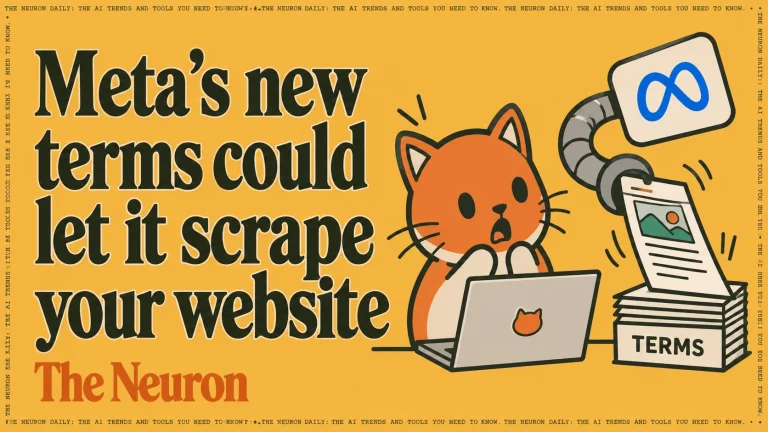
😺 Meta’s new terms cover website scraping

Welcome, humans. Okay, so your next car could have a whole roster of AI helpers riding along. Rivian CEO RJ Scaringe said its cars would eventually run other companies’ AI agents, but gave no launch date. Think of the direction…

😺 Meta’s new terms cover website scraping

Eric Gerard Ruiz, a licensed CPA in the Philippines, specializes in financial accounting and reporting (IFRS), managerial accounting, and cost accounting. He has tested and review accounting software like QuickBooks and Xero, along with other small business tools. Eric also…

Meta removes language that raised scraping and AI training concerns

Meta has quietly removed a controversial sentence from its help center that previously discouraged users from uploading content to its platforms if they did not want it used for artificial intelligence training. The deleted text specifically advised individuals to stop using the services and delete their accounts if they objected to these data-scraping practices. This policy shift coincides with the upcoming implementation of the European Union's robust Artificial Intelligence Act, which imposes strict transparency requirements on tech companies utilizing personal data. By erasing this explicit warning, Meta appears to be navigating the complex intersection of global privacy regulations and its expanding AI development goals.