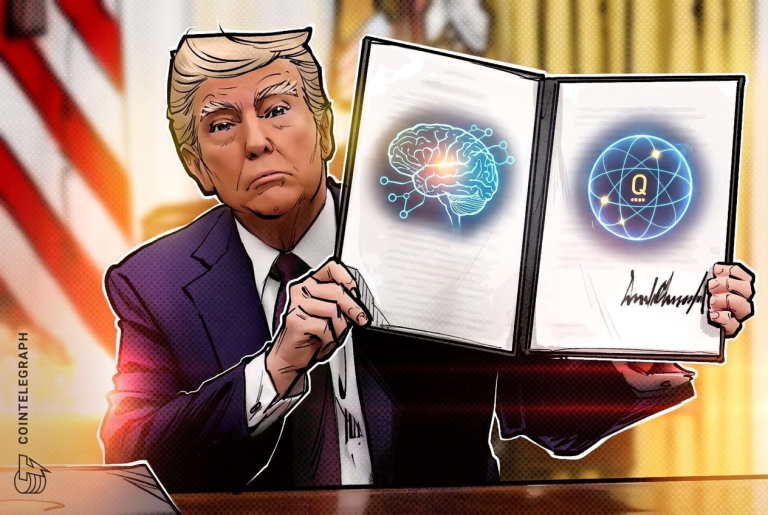
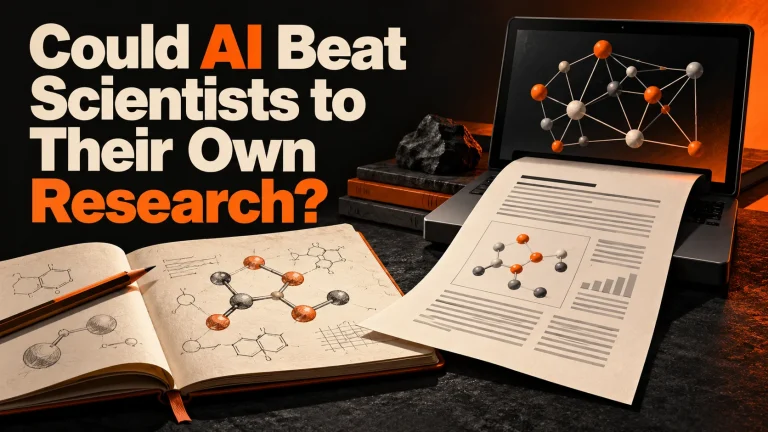
Artificial intelligence is rapidly transforming the scientific landscape, raising provocative questions about whether machines could eventually outperform human researchers. Advanced AI models are now capable of analyzing massive datasets, predicting complex protein structures, and generating novel hypotheses at unprecedented speeds. While these technological breakthroughs promise to accelerate discoveries in medicine, physics, and beyond, they also spark intense debates among experts. Critics and enthusiasts alike are weighing the ethical implications, reproducibility concerns, and the fundamental shift in how knowledge is created. Ultimately, this technological leap forces the scientific community to redefine the core role of human intuition in the pursuit of truth.