DaazPrime

DaazPrime

China’s $3 Billion Qatar LNG Deal Raises an Awkward Question

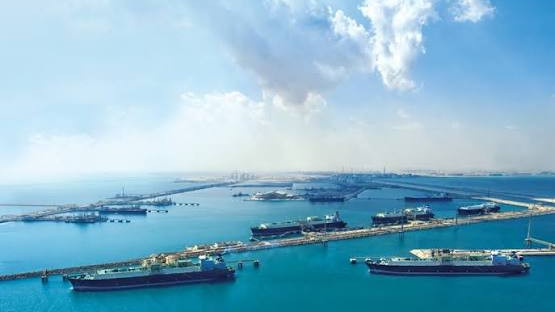
China has recently secured a massive $3 billion liquefied natural gas deal with Qatar, solidifying its long-term energy security through a decades-long supply agreement. However, this multi-billion-dollar partnership highlights a striking geopolitical and economic paradox. Even as Beijing aggressively ramps up domestic renewable energy installation and electric vehicle adoption at a record-breaking pace, it remains heavily reliant on fossil fuels to power its industrial base. This dual approach illustrates the immense complexity of managing a massive transition away from carbon while simultaneously ensuring uninterrupted economic growth. Ultimately, the Qatari deal underscores how hard it is for the world's largest polluter to completely divorce its immediate energy needs from traditional hydrocarbon sources.

Dangote Swings to $4.7 Billion Profit Ahead of Africa’s Biggest IPO

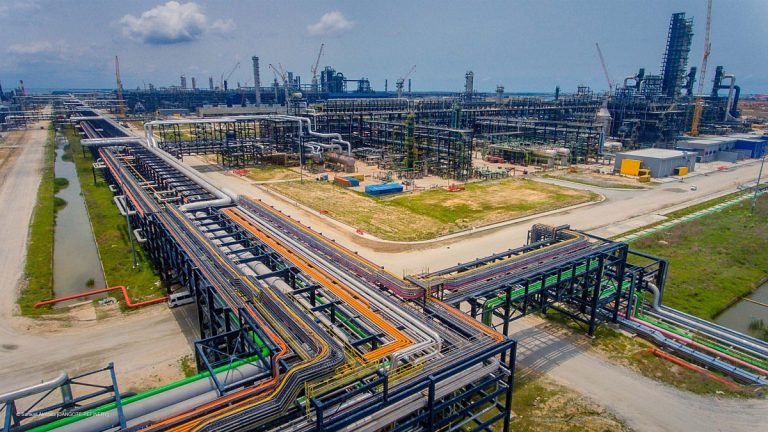
Dangote Industries has achieved a massive financial turnaround, swinging to a staggering $4.7 billion profit following the operational success of its landmark petroleum refinery and fertilizer plant. This stellar fiscal performance serves as a strategic precursor to what is poised to become Africa’s largest initial public offering. The massive valuation highlights the conglomerate's dominant role in reshaping the continent’s industrial and economic landscape. By pivoting toward domestic self-sufficiency in fuel and agriculture, the Nigerian giant has significantly bolstered investor confidence. This historic market entry is now expected to draw unprecedented international capital and redefine investment standards across emerging markets.

Why Diesel Prices Are So Much Higher Than Gasoline

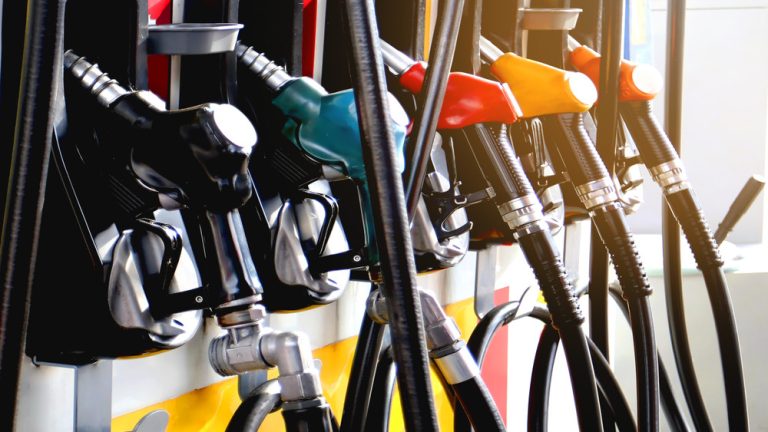
Diesel prices consistently outpace gasoline, driven by a complex mix of global market dynamics and refining realities. Unlike gasoline, which primarily fuels passenger cars, diesel is the lifeblood of the global economy, powering heavy-duty trucks, trains, ships, and agricultural machinery, which creates sustained, high demand. Additionally, complex refining processes and stringent environmental regulations make producing ultra-low sulfur diesel more expensive. Geopolitical tensions and shifting global trade flows—particularly the loss of Russian diesel exports following sanctions—have further squeezed supplies. Consequently, even when crude oil costs fluctuate, these structural pressures keep diesel prices stubbornly higher at the pump, impacting consumer goods and shipping costs alike.

India's 97 GW Coal Expansion Plan Looks Too Small, Senior Official Says

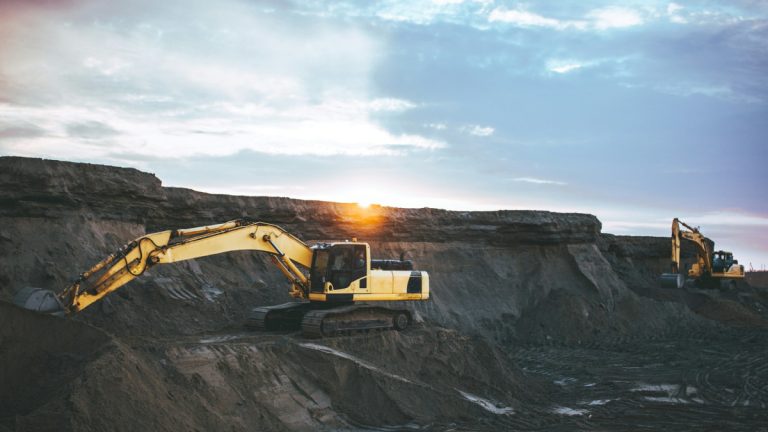
Despite India’s ambitious plan to add 97 gigawatts of coal-fired power capacity by the end of the decade, a senior government official warns that this massive expansion may still fall short of meeting the nation's skyrocketing electricity demand. Driven by rapid industrialization and extreme weather events, India's power consumption is surging at unprecedented rates, challenging the current infrastructure. While the nation remains heavily reliant on fossil fuels for grid stability, renewable energy integration is not scaling quickly enough to plug the impending deficit. Consequently, policymakers and energy experts are reconsidering the true scale of thermal generation required to prevent widespread power shortages in the coming years.