DaazPrime

DaazPrime

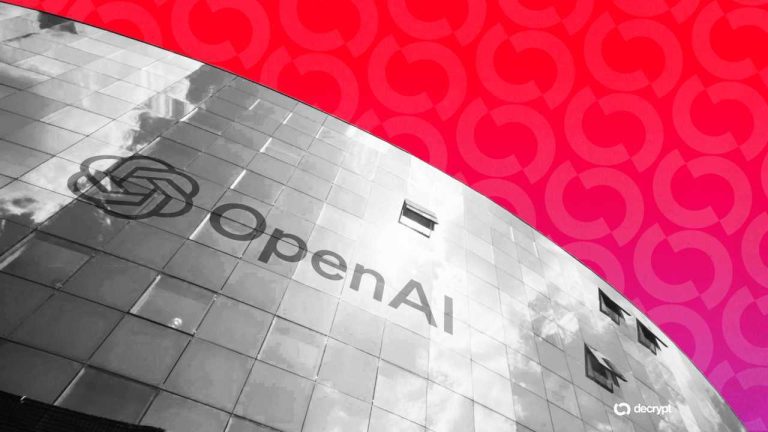
OpenAI Buys Orchestra Bio to Put AI Agents in Charge of Drug Development Grunt Work

OpenAI has acquired the biotech startup Orchestra Bio to integrate advanced artificial intelligence agents into the pharmaceutical research and development pipeline. By automating tedious administrative and analytical grunt work, the technology aims to drastically accelerate how new medicines are discovered and brought to market. This strategic move highlights OpenAI's aggressive expansion into specialized enterprise sectors, leveraging its powerful language models to solve complex, real-world scientific problems. The partnership bridges Silicon Valley's cutting-edge AI capabilities with life sciences, potentially revolutionizing the speed and efficiency of future medical breakthroughs.

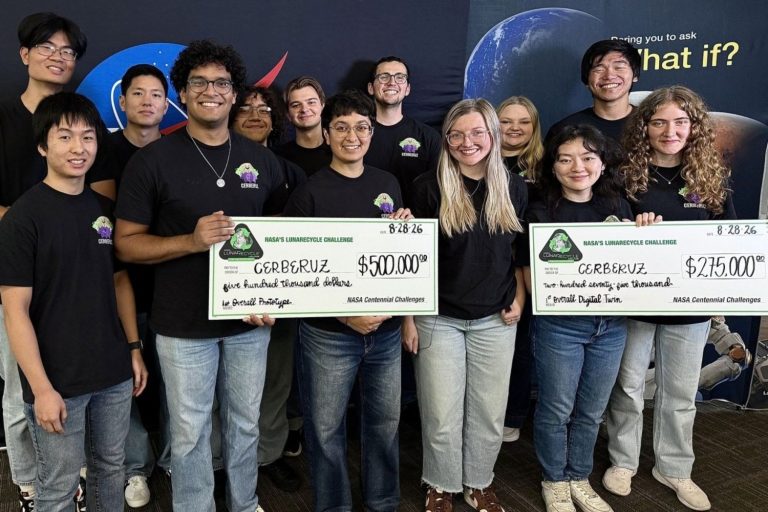
MIT student team CERBERUZ wins NASA LunaRecycle Centennial Challenge, turning lunar trash into tools

An innovative MIT student team named CERBERUZ has claimed victory in NASA’s prestigious LunaRecycle Centennial Challenge by developing groundbreaking methods to transform lunar trash into usable tools. Facing the extreme logistical challenges of long-term space exploration, the winning team engineered sustainable systems designed to process waste directly on the Moon. This technology drastically reduces the need for costly resupply missions from Earth by converting discarded materials into vital operational equipment. The triumph highlights the crucial role of next-generation engineers in solving complex resource management problems for future crewed Artemis missions and beyond.

Anthropic’s cloud partnerships are getting messy

Anthropic is navigating an increasingly complex web of cloud partnerships as it scales its operations in the fiercely competitive artificial intelligence market. While collaborations with major cloud providers have been crucial for securing the immense computing power needed to train and run advanced models like Claude, managing these overlapping alliances has introduced significant friction. The startup finds itself balancing relationships with competing tech giants, each vying for exclusivity and deeper integration. This delicate juggling act highlights the broader strategic challenges AI developers face as they rely heavily on traditional cloud infrastructure to fuel rapid industry growth.

Utah AG sues Kalshi, pursues profits from prediction market company

Utah Attorney General Sean Reyes has filed a lawsuit against the prediction market company Kalshi, seeking to halt its operations within the state and recover allegedly ill-gotten profits. The legal action targets Kalshi’s event-based wagering platform, which state regulators argue operates as an illegal gambling enterprise without proper authorization. This high-profile lawsuit marks a significant escalation in the regulatory battle facing prediction markets as they seek mainstream expansion. By pursuing financial penalties alongside an injunction, Utah is taking a firm stance against unregulated online betting platforms operating within its borders. The outcome of this case could set a crucial precedent for how similar financial and prediction-based platforms are regulated nationwide.

JPMorgan Puts a Number on Bitcoin for the First Time: 10% a Year, With a Big Caveat

JPMorgan Chase has released its first official long-term valuation for Bitcoin, projecting a theoretical annual return of roughly 10%. However, this optimistic forecast comes with a major caveat regarding the cryptocurrency's notorious volatility. Bank analysts emphasized that achieving this growth requires investors to endure wild market swings that are significantly higher than those of traditional asset classes. The report highlights Bitcoin’s ongoing struggle to cement itself as a stable digital gold alternative in institutional portfolios. Ultimately, JPMorgan suggests that while the digital asset offers lucrative upside potential, its unpredictable nature demands extreme caution from everyday investors.

The ocean’s most abundant “loner” microbe has a sticky second life

Scientists have discovered that *Pelagibacter*, widely considered the ocean’s most abundant solitary microbe, lives a surprising second life through collective aggregation. Despite long being viewed as free-floating loners that avoid crowding, researchers found these tiny bacteria actively clump together by producing sticky extracellular substances. This newly revealed behavior challenges long-held assumptions about marine microbial ecology and how carbon cycles through the open ocean. By forming these micro-colonies, the microbes may protect themselves from predators and harsh environmental conditions. Ultimately, this microscopic shift in our understanding could fundamentally alter how scientists model global marine food webs and oceanic biogeochemistry.

U.S. CFTC sets agenda for AI forum, exploring trading and agentic finance

The U.S. Commodity Futures Trading Commission has officially set the comprehensive agenda for its upcoming artificial intelligence forum, aiming to address the technology's growing footprint in modern financial markets. The high-stakes event will dive deep into automated algorithmic trading and the rise of agentic finance, where autonomous AI systems make independent financial decisions. Regulators, industry leaders, and technical experts will gather to discuss how these advanced tools impact market liquidity, volatility, and integrity. Ultimately, the commission seeks to balance fostering technological innovation with establishing necessary safeguards to protect investors and maintain systemic stability in an increasingly automated landscape.

Energy Costs Are Driving U.S. Inflation, and Wages Aren't Keeping Up

Rising energy prices have become the primary engine behind the latest uptick in U.S. inflation, pushing the consumer price index above the Federal Reserve’s target for the first time in over a year. Data from the Bureau of Labor Statistics shows gasoline, electricity and natural‑gas costs climbing sharply, while core inflation remains modest. At the same time, real wages have barely moved, with average hourly earnings lagging behind price gains and leaving many households struggling to cover basic expenses. Economists warn that the mismatch could erode consumer confidence and complicate the Fed’s effort to balance price stability with employment growth.